
Measure the Brightness of a Variable Star
Over the past few hundred years, astronomers have discovered thousands of stars whose brightness goes up and down over time. These are known as variable stars. But what causes this to happen?
Enrico Ramirez-Ruiz
Early Life
Enrico Ramirez Ruiz was born and raised in Mexico City. His parents were chemists who worked for the local university. From a young age, he wanted to answer the big questions, such as how the Universe was made.
Year born: ~1975
Research Areas: Stellar explosions, Gamma-Ray Bursts, Black holes, Neutron stars, Gravitational Waves
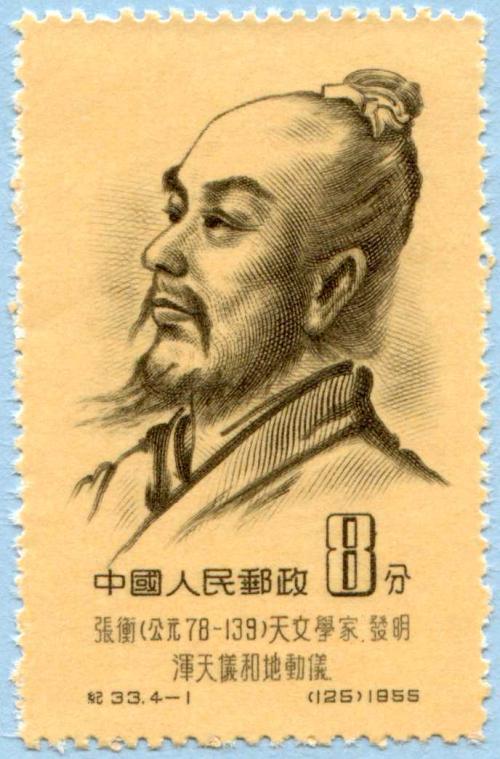
Zhang Heng
Occupation
Astronomer, Mathematician, Geographer, Inventor, Poet
Year Born
78
Research Areas
Star Catalogues, Seismology, Geometry
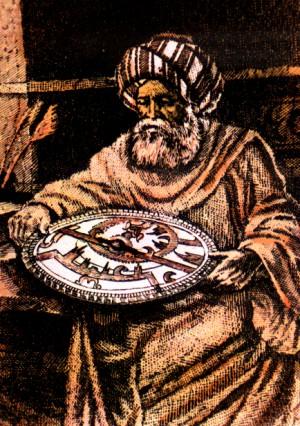
Al-Battani
Occupation
Astronomer, Mathematician
Year Born
around 858
Research Areas
Stars, Star Maps, Solar and Lunar Motion, Trigonometry
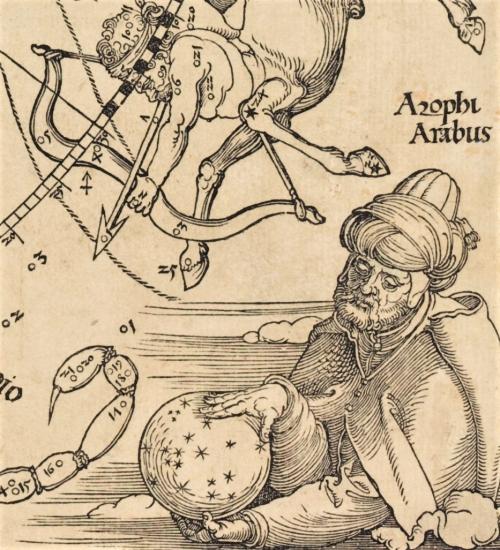
Abd al-Raḥmān al-Ṣūfī
Occupation
Astronomer, Mathematician
Year Born
903
Research Areas
Stars, Star Maps
Star Formation
Stars form inside huge clouds of gas and dust called nebulae. These regions are sometimes known as “stellar nurseries” or “star-forming regions”.

Stellar Evolution
All stars form in nebulae, huge clouds of gas and dust.
Though they shine for thousands of years, stars do not last forever. The changes that occur in a star over time and the final stage of its life depends on a star's size.

Star Clusters
Star clusters are groups of stars which are held together by gravity.
There are two types of star clusters: globular clusters and open clusters.
Stellar Classification
Astronomers began to categorise stars, based on their mass and temperature, hundreds of years ago. As scientists have learned more about stars, this classification scheme has had to evolve.
